Here's the fundamental challenge every telehealth company faces: you're asking patients to trust a doctor they've never met, through a screen, for conditions they're worried about. There's no waiting room with friendly staff. No diplomas on the wall. No reassuring handshake.
Video is how you replace all of that.
For traditional healthcare practices, video marketing is a nice-to-have. For telehealth and telemedicine companies, it's existential. Your entire patient experience happens through a screen -- so the content that gets them there needs to work harder, feel more human, and build more trust than any other industry.
At Maken Media, we've produced video for healthcare brands that needed to convert cold audiences into booked patients -- without a single in-person touchpoint. Here's the exact playbook we use.
Why Telehealth Needs Video More Than Traditional Practices
A brick-and-mortar clinic has built-in trust signals. The building itself, the front desk staff, the other patients in the waiting room -- all of these subconsciously tell a new patient "this is legitimate." Telehealth companies have none of that.
Consider what a potential patient experiences when they find your telehealth platform:
- They land on a website -- could be legitimate, could be a scam
- They see stock photos of doctors -- are these real providers?
- They're asked to enter personal health information online -- is this safe?
- They're expected to pay before ever speaking to anyone -- is this worth it?
Every single one of these friction points is solved by video. A real provider speaking to camera builds instant credibility. A platform walkthrough removes the fear of the unknown. A patient testimonial provides the social proof that replaces word-of-mouth referrals.
In telehealth, video isn't marketing. It's the front door, the waiting room, and the handshake -- all rolled into one.
The 6 Video Types Every Telehealth Company Needs
Not all video content serves the same purpose. Each type maps to a specific stage of the patient acquisition funnel. Here's what you need and why.
Provider Introduction Videos
30-90 second videos of each provider speaking directly to camera. Who they are, their background, their approach to care. This is the single highest-impact video asset for telehealth.
Platform Walkthrough / Demo
Screen-recorded or animated walkthrough showing exactly how to book, connect, and complete a visit. Eliminates tech anxiety for older or less tech-savvy patients.
Patient Testimonials
Real patients sharing their experience (with proper consent and HIPAA compliance). Nothing converts like hearing someone say "I was skeptical too, but..."
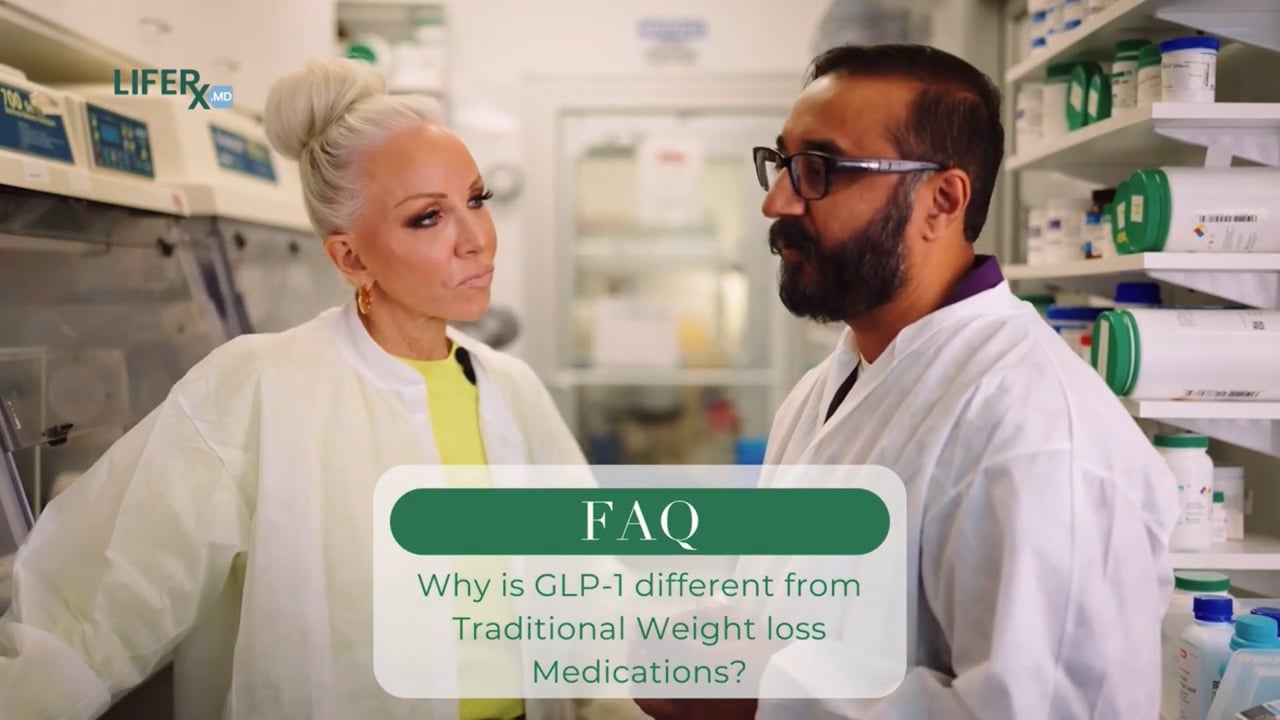
FAQ & Education Content
Short videos answering common questions about conditions, treatments, and the telehealth process. Builds authority and captures search traffic.
Social Media Content
Short-form videos for Instagram Reels, TikTok, and YouTube Shorts. Health tips, myth-busting, day-in-the-life of providers. Builds awareness at the top of funnel.
Ad Creative for Patient Acquisition
Performance-focused video ads designed for Meta, Google, and YouTube. Hook-driven, benefit-oriented, with clear CTAs. This is where video directly drives revenue.
Provider Introduction Videos: Your Highest-ROI Asset
If you only produce one type of video, make it this one. Provider introduction videos sit on your website, get embedded in booking confirmation emails, and get shared across social channels. They answer the single biggest question every telehealth patient has: "Who am I actually going to be talking to?"
The formula is simple:
- Open with the provider's name and specialty (3 seconds)
- Brief background -- where they trained, years of experience (10 seconds)
- Their philosophy or approach to patient care (15 seconds)
- A direct, warm invitation to book (5 seconds)
Film these in a clean, well-lit environment. Not a sterile hospital set -- something warm and approachable. The goal is to feel like a FaceTime call with a trusted friend who happens to be a doctor.
Platform Walkthrough Videos: Removing the Fear of the Unknown
The second biggest conversion killer in telehealth is uncertainty about the technology. Patients (especially those 45+) worry about whether they'll be able to figure out the platform, whether it will work on their device, and what happens if something goes wrong mid-visit.
A simple 60-90 second screen recording that walks through the booking-to-visit flow can increase conversion rates by 20-35%. Place it on your homepage, your FAQ page, and in your onboarding email sequence.
HIPAA Compliance for Video Content
This is where telehealth video gets more complex than standard healthcare marketing. HIPAA regulations apply to video content in ways most production companies don't understand. Here's what you need to know:
- Patient testimonials require a signed HIPAA authorization -- not just a standard video release. The authorization must specifically describe what Protected Health Information (PHI) will be disclosed in the video.
- No patient information visible on screen -- this includes computer screens, charts, whiteboards, or anything in the background during filming. Audit every frame.
- De-identification is required if sharing any patient data or case studies on camera. You must remove all 18 HIPAA identifiers or obtain explicit authorization.
- Video hosting and storage must be compliant -- if videos contain any PHI, they must be stored on HIPAA-compliant platforms with proper BAAs (Business Associate Agreements) in place.
- Social media comments can create issues -- if a patient comments on your video revealing their own health information, you cannot respond in a way that confirms they are your patient.
The good news: most marketing video content (provider intros, platform demos, educational content) contains zero PHI and can be produced and distributed like any other video. Testimonials are where you need the extra documentation.
Work with a production company that understands HIPAA. The cost of non-compliance -- both in fines and reputation damage -- far exceeds the cost of doing it right the first time.
How Video Reduces Patient Acquisition Cost
Telehealth operates in one of the most expensive digital advertising markets. Healthcare keywords run $9-12+ per click on Google. If your landing page converts at 3%, you're paying $300-400 per booked patient from paid search alone.
Video attacks this problem from multiple angles:
- Higher landing page conversion rates. Pages with video convert 80% better than pages without. If you move from 3% to 5.4% conversion, your cost per acquisition drops by 44% overnight.
- Lower CPMs on paid social. Video ads consistently achieve 2-3x lower cost-per-thousand impressions than static image ads on Meta and YouTube. The platforms reward content that keeps users engaged.
- Organic reach compounds over time. A single educational YouTube video can drive patient inquiries for years. Paid ads stop the moment you stop paying. SEO-optimized video content builds a compounding asset.
- Retargeting with video is more efficient. Someone who watched 75% of your provider intro video is a warm lead. Retargeting them with a booking CTA costs a fraction of acquiring a cold lead.
We've seen telehealth companies reduce their blended patient acquisition cost by 30-50% within 90 days of implementing a structured video strategy. The math works because video addresses trust (the primary conversion barrier) more effectively than any other medium.
Building a Telehealth Brand?
We produce HIPAA-compliant video for telehealth companies — provider intros, platform demos, patient testimonials, and ad creative.
Book a ConsultationVideo for Investor and Fundraising Decks
If you're a telehealth startup raising capital, video is a secret weapon that most founders overlook. A polished 2-3 minute company overview video in your pitch deck does several things:
- Demonstrates the product experience better than any slide
- Shows real patients and real providers (social proof for investors)
- Differentiates you from the other 50 pitch decks an investor sees that week
- Can be sent ahead of meetings to pre-sell your story before you walk in the room
Investor-focused video should emphasize the market opportunity, the technology, the team, and the traction -- not just the patient experience. Different audience, different message, same medium.
What Video Production Costs for Telehealth
Budget expectations vary wildly in this space, so here's a realistic breakdown:
Starter Package: $3,000 - $7,000
3-5 provider introduction videos, 1 platform walkthrough, basic editing. Enough to cover your website and booking flow. Best for early-stage telehealth companies validating product-market fit.
Growth Package: $8,000 - $15,000
Everything above plus 2-3 patient testimonials, 10-15 short-form social clips, and 3-5 ad creatives for paid campaigns. Best for telehealth companies actively scaling patient acquisition.
Enterprise Package: $15,000 - $30,000+
Full video content library including brand anthem, investor video, provider series, testimonial series, monthly social content, and ongoing ad creative production. Best for funded telehealth companies building a category-defining brand.
The key factor that affects pricing: HIPAA compliance requirements, number of filming locations, and whether you need actors or real patients. Telehealth video production typically costs 15-25% more than standard corporate video due to the compliance layer.
Distribution Strategy: Where to Put Your Videos
Producing great video is half the battle. The other half is putting it in front of the right people at the right time. Here's the distribution framework we recommend for telehealth companies:
Website (Highest Priority)
Provider videos on the "Our Team" or "Our Providers" page. Platform demo on the homepage and FAQ. Testimonials on a dedicated page and embedded near booking CTAs. Every page with a conversion action should have supporting video within scroll distance.
YouTube (Long-Term SEO Play)
Upload all educational content as individual, keyword-optimized YouTube videos. Telehealth-related searches on YouTube are growing 40%+ year over year. Title each video around a specific question patients are Googling: "Can I get [condition] treated online?" or "How does telehealth work for [specialty]?"
Social Media (Awareness & Trust)
Repurpose long-form content into 15-60 second clips for Instagram Reels, TikTok, and YouTube Shorts. Focus on health tips, myth-busting, and provider personality content. The goal here is awareness and familiarity -- not direct conversion.
Paid Ads (Direct Patient Acquisition)
Run video ads on Meta (Facebook/Instagram) and YouTube targeting condition-specific audiences. Lead with the problem, show the solution (your platform), and end with a clear CTA. Test multiple hooks and creative variations monthly. Video ads consistently outperform static for healthcare because they build the trust needed to click.
Email Sequences (Nurture & Convert)
Embed provider intro videos in booking confirmation emails. Include testimonial videos in follow-up sequences for leads who didn't book. Use platform walkthrough videos in onboarding emails for new patients. Video in email increases click-through rates by 200-300%.
Download the Telehealth Video Playbook
Get our complete telehealth video content playbook -- includes a video types checklist, HIPAA compliance guide, patient acquisition funnel with video mapped to each stage, and script templates for provider intros and platform demos.
Download Free PlaybookThe Bottom Line
Telehealth is one of the fastest-growing sectors in healthcare, but patient trust remains the single biggest barrier to conversion. You can't solve a trust problem with better ad copy or a redesigned landing page. You solve it by showing real faces, real voices, and real experiences.
Video does that better than anything else.
The companies that invest in a structured video content strategy now will own the patient acquisition advantage as the market gets more competitive and CPCs continue to climb. The ones that wait will keep paying more to acquire every patient.
If you're a telehealth company looking to build a video strategy that actually drives patient bookings -- let's talk about what that looks like for your platform.